
7 Things to Check Before Booking a Venue for an Event. Choosing the right venue is one of the most important decisions when planning an event. Whether you are organizing a wedding, a corporate gathering, or a private celebration, the location influences almost every aspect of the experience, from the atmosphere and guest comfort to the event's overall budget. Beyond beautiful photographs and an impressive entrance, there are several practical details worth examining before signing a contract. Here are seven essential things to check to make sure your chosen venue meets your expectations.
More articles on the site:
1. Location, Accessibility, and Parking
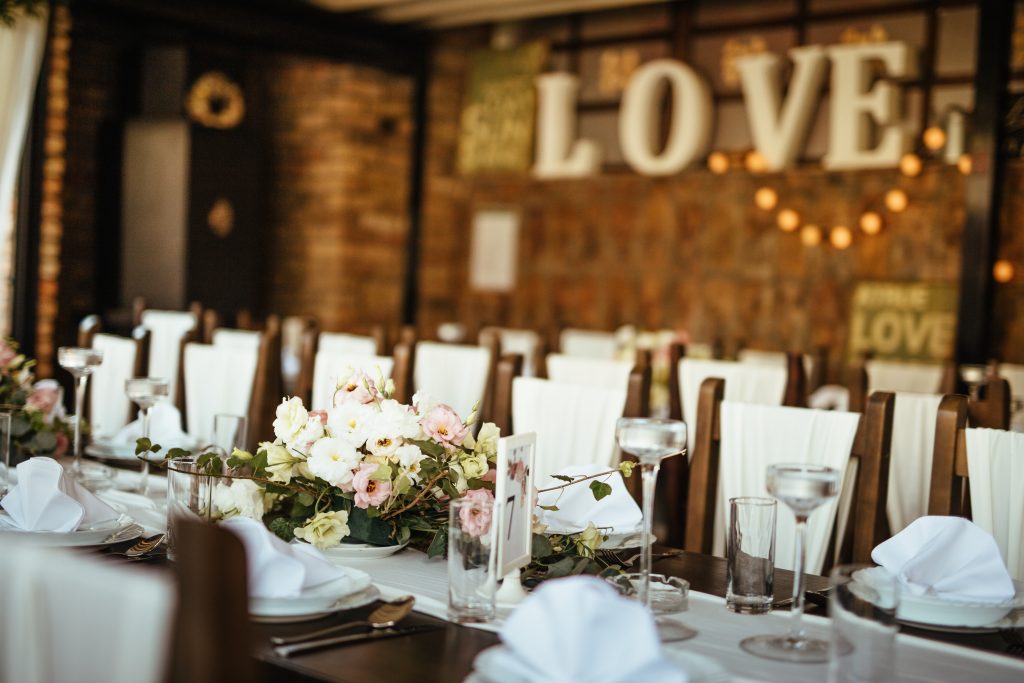
A beautiful venue is only a good choice if guests can reach it comfortably. Consider its proximity to major roads, public transportation, hotels, and accommodation options. If you are planning a wedding in Jerusalem, for example, think about the needs of guests arriving from other parts of Israel, as well as those traveling from abroad. Check whether the venue offers sufficient parking, accessible entrances, and convenient drop-off areas. For larger events, it is worth considering shuttle services from nearby parking facilities or central transportation points. These arrangements can significantly improve the guest experience and prevent unnecessary delays.
2. Capacity and Layout Flexibility
Always check the venue's actual capacity rather than relying exclusively on its advertised maximum. A space that accommodates 500 guests may feel crowded when tables, dance floors, stages, and entertainment areas are included. Ask to see different seating arrangements and understand how the space can be adapted to your event. Flexible layouts are particularly valuable when combining a reception, dining area, and dance floor. Ideally, the venue should provide enough room for guests to move comfortably without compromising the atmosphere.
3. Catering Options and Food Quality
Food is often one of the most memorable elemets of an event. Before booking, ask whether the venue operates its own kitchen or works with external catering companies. Request a tasting session and check the available menu options, including vegetarian, vegan, gluten-free, and allergy-friendly dishes. It is also important to clarify whether the venue holds the necessary kosher certification if your guests require it. Pay attention to presentation, ingredient quality, serving temperatures, and the staff-to-guest ratio. These details can make a substantial difference in the overall dining experience.
4. Design, Materials, and Atmosphere
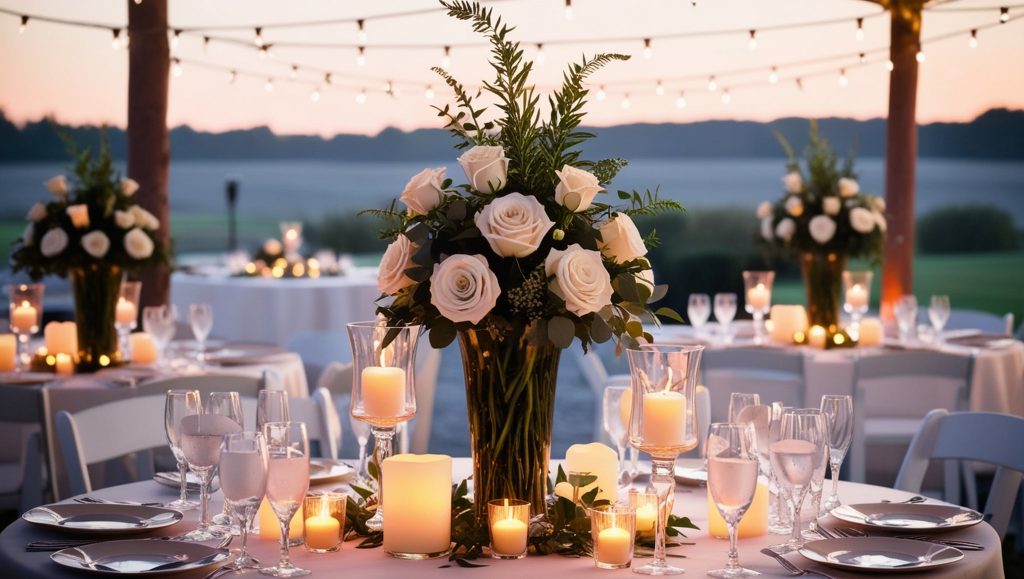
The venue's architectural style should complement the event's concept. Natural stone, warm wood, glass elements, and carefully designed lighting can create very different atmospheres. For an elegant celebration, consider spaces that combine natural materials with contemporary architectural details. Outdoor venues should also offer attractive landscaping, shaded areas, and suitable flooring. Ask whether decorations, floral arrangements, and lighting installations can be customized. A well-designed venue provides a strong visual foundation, reducing the need for excessive additional decoration.
5. Sound, Lighting, and Technical Equipment
Professional technical infrastructure is essential, particularly for events that include speeches, live performances, presentations, or DJs. Check the quality of the sound system, microphone availability, lighting controls, and electrical connections. Ask whether the venue has acoustic treatments that help prevent excessive echo and sound interference. For outdoor celebrations, verify that the equipment is suitable for changing weather conditions. It is also worth checking whether an on-site technician will be available throughout the event.
6. Weather Contingency and Guest Comfort
If you are considering an outdoor event, never overlook the possibility of unexpected weather changes. Ask whether the venue has an indoor alternative, covered areas, heating systems for winter, and cooling solutions for summer. In Israel, where summer temperatures can be particularly high, shaded seating areas and effective air conditioning are especially important. Check the condition of restrooms, accessibility arrangements, ventilation, and designated spaces for guests who need a quieter environment.
7. Pricing, Contract Terms, and Additional Services
Before making a final decision, request a detailed written quotation. Make sure it includes the venue rental, catering, staffing, furniture, cleaning, technical equipment, and any additional services. Clarify overtime charges, cancellation policies, payment schedules, and possible extra fees. It is also advisable to review the contract carefully and confirm exactly what is included in the agreed price. Comparing at least two or three venues using the same criteria can help you identify the best overall value rather than simply the lowest price.
Ultimately, choosing an event venue requires balancing aesthetics, functionality, service quality, and budget. Taking the time to examine these seven factors will help you make a confident decision and create an enjoyable experience for everyone attending.

